Dates connected with events in the lives of all Jinas are all potential dates for festivals. Although they are all holy for the Jains, only some of them are the focus of public celebrations – Mahāvīr Jayantī and Dīvālī are the most prominent of these. The holy days of Maunaikādaśī, Poṣa-daśamī and Meru-trayodaśī do not have the same wide impact, but they display some of the same characteristics.
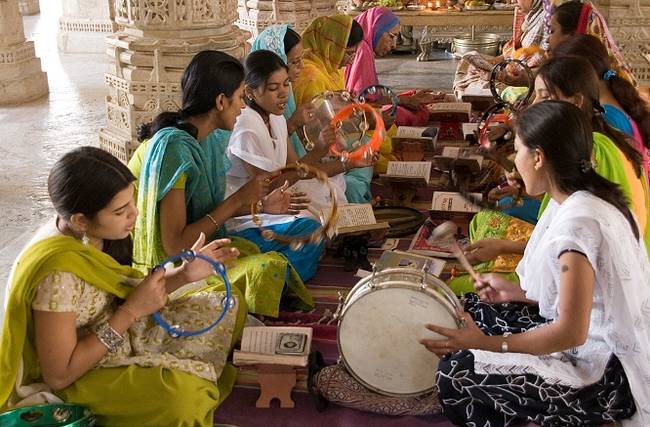
The features that are typical of most Jain festivals can be found in these three smaller festivals, including the close association of certain numbers with a holy day. As with all Jain festivals, the dates on which these smaller religious events take place vary year by year, because they are calculated in the lunar calendar. There are standard festival routines involving attending the local temple or mendicant dwelling-hall to listen to sermons and stories about the relevant Jina, particularly on the events in the Jina’s life that have inspired the festival. Performing hymns of praise to the Jina is a common activity, along with carrying out rituals. Devotees also take part in the common festival activities of fasting, donating money to the temple and taking the opportunity to reflect on the example of the Jina. They may also go on pilgrimages, timed to end when the festival begins. The side effects of festivals’ promoting fellow feeling among the Jain community and presenting a coherent identity to non-Jains are also found.
In addition, the Meru-trayodaśī festival is interesting because it shows the continuing development of religious practice. The major holy days have been such for centuries but the emergence of newer festivals such as Meru-trayodaśī illustrates the elastic qualities of the Jain religious calendar.